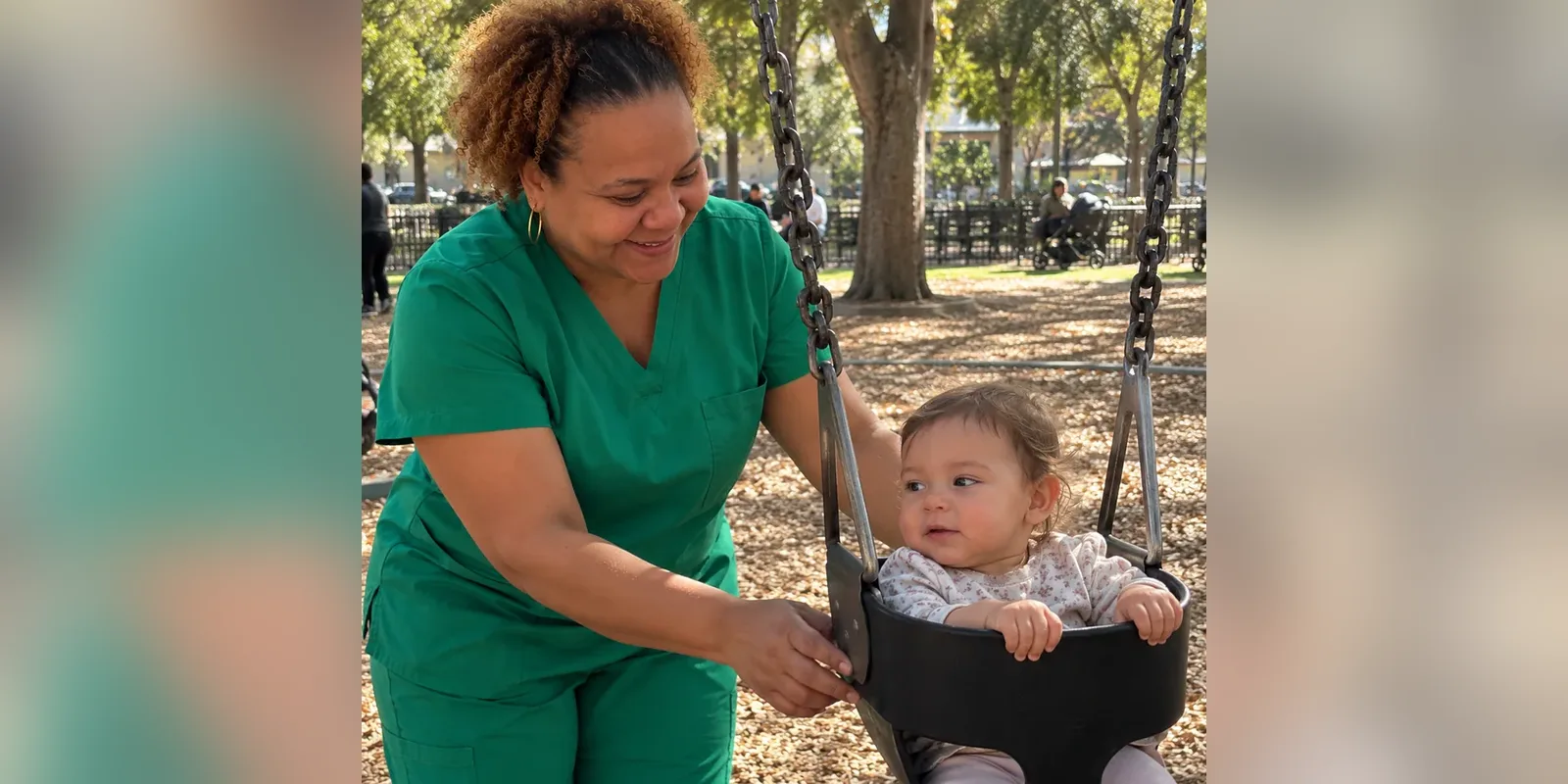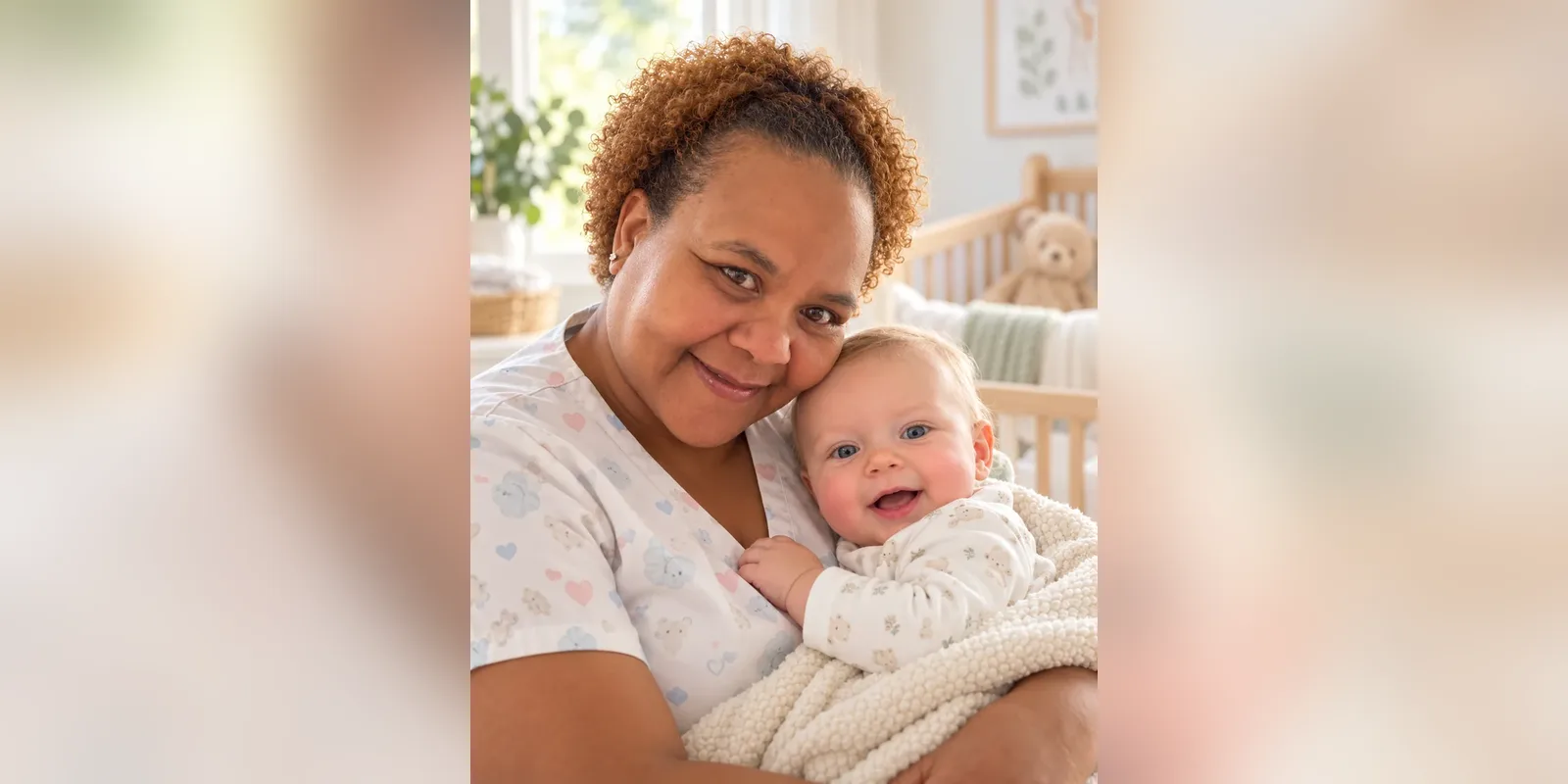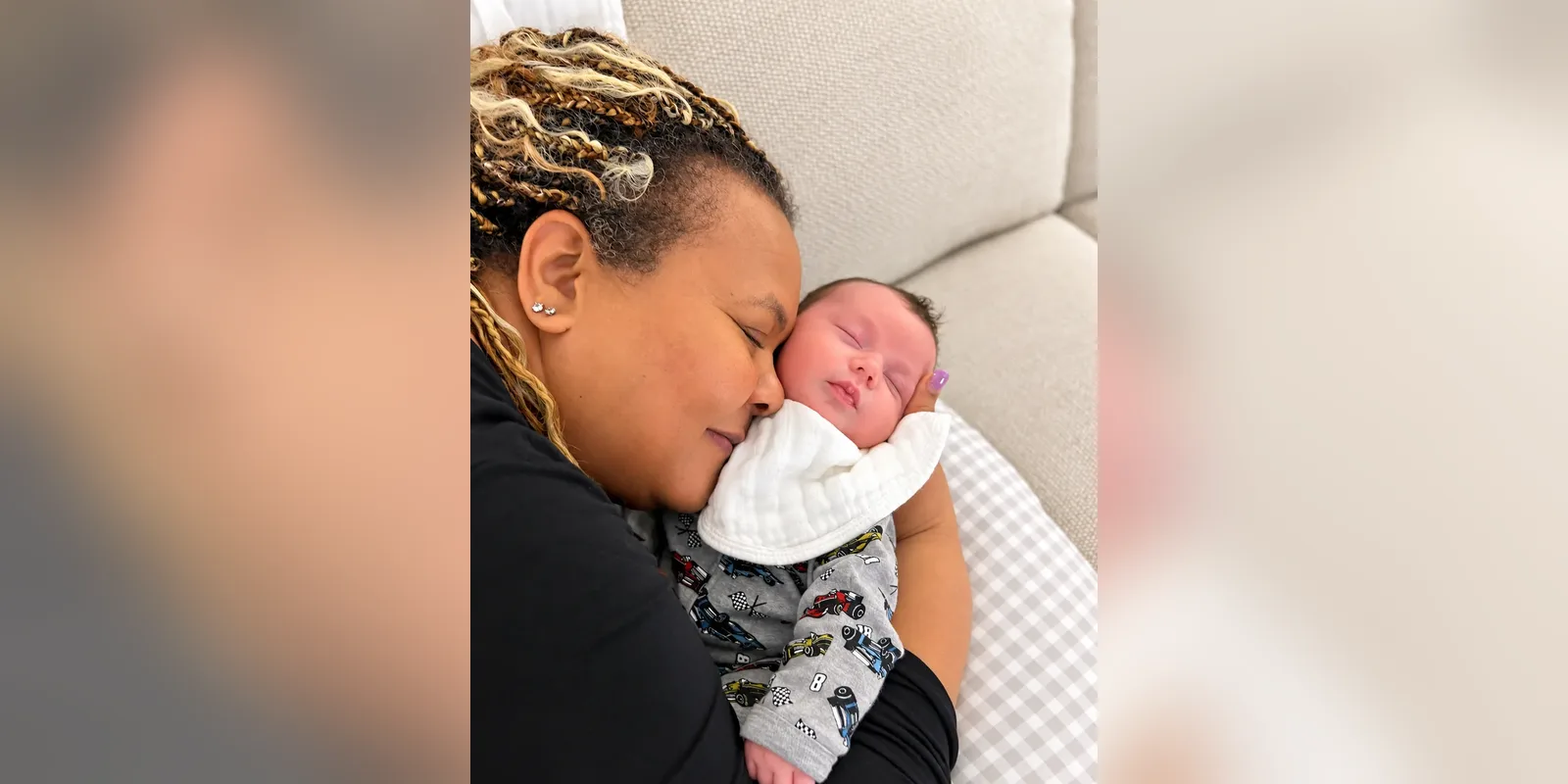
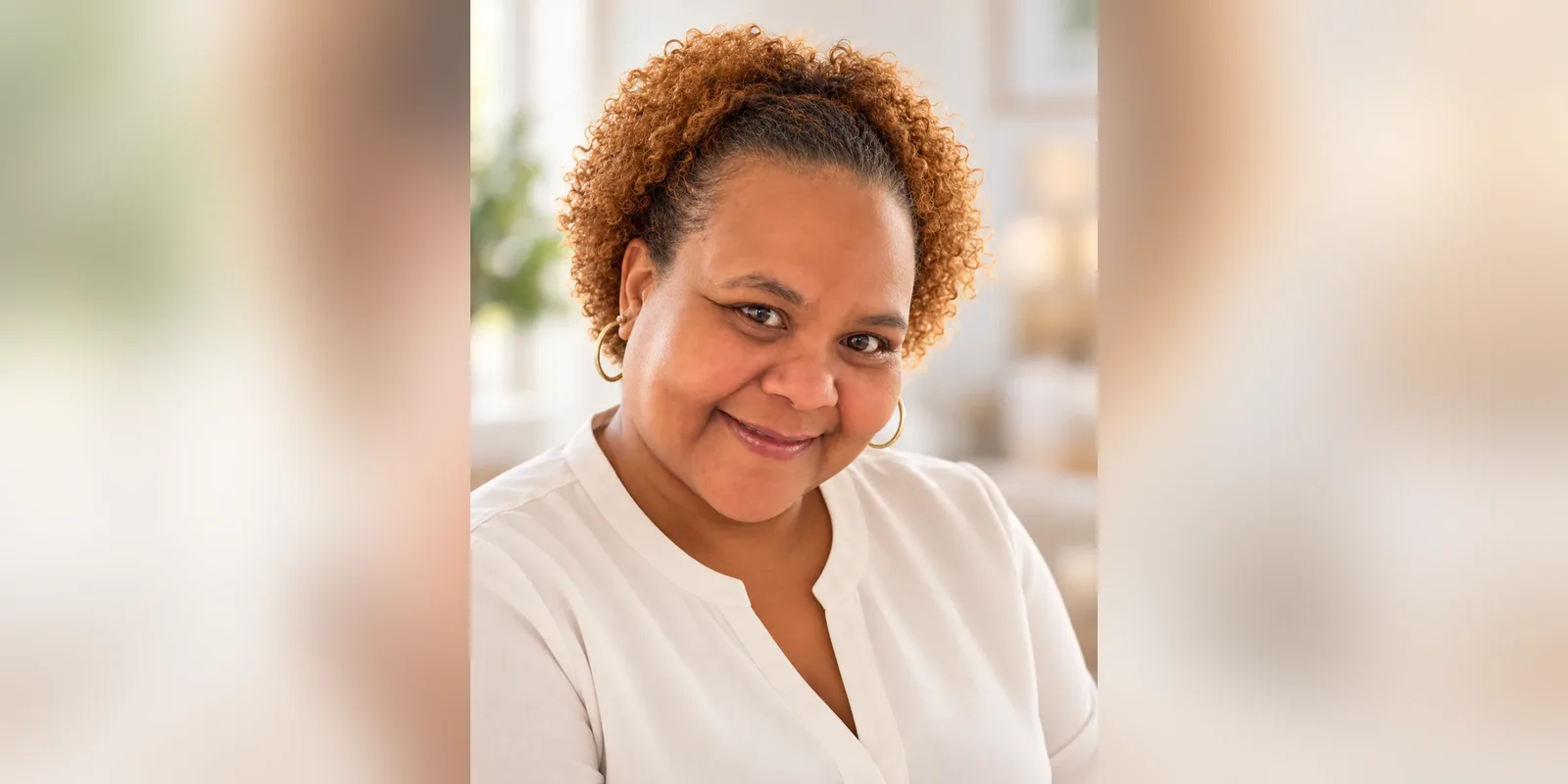
Parents always ask that question during nearly every first call. They have heard "baby nurse," "night nurse," "night nanny," "newborn care specialist" and "postpartum doula" from friends, and nobody can say for sure where one job ends and the next begins. Since 2016, I've been doing live in newborn care and I've worked with over thirty families. So I know this field inside and out.
Let's start with one honest note first. "Baby nurse" is how people traditionally refer to what I do at home and it's also the term that most family members use if they want to look for assistance. I work with newborns but I'm not a licensed registered nurse. In New York the title "nurse" is reserved for licensed nurses under state education law, and I think you should know exactly who is taking care of your baby.
The short answer
Here is the quick version. The roles overlap, but the hours and the focus are different.
| Role | Hours | Main focus | Typical NYC market range |
|---|---|---|---|
| Live-in baby nurse | 24 hours, lives in your home | The baby, day and night | About $500 to $550 per day |
| Night nurse / night nanny | Overnight, often 10 to 12 hours | Night feeds and sleep | About $280 to $600 per night |
| Newborn care specialist | Live-in or nights | Same as above, often with private training | About $385 to $600 per night |
| Postpartum doula | Day or overnight shifts | The mother's recovery and the family | About $40 to $65 per hour overnight |
| Nanny | Daytime, ongoing | Childcare for months or years | Varies widely |
The live-in figure is the going rate I see in NYC. The other ranges are published by NYC agencies and a 2026 cost guide (The New York Baby, Lullaby Baby Nurses, Beverly). They are not my rates. I go through the numbers in my post on what a baby nurse costs in NYC.
What a baby nurse actually does in a 24-hour live-in shift
A live-in baby nurse moves in for the first weeks. With my families that is usually anywhere from two weeks to three months. I arrive on discharge day with my bag packed, and from then on the baby is my job around the clock.
It means caring for the baby day and night regardless of feeding method - breastfeeding, formula feeding, or both. Caring also includes taking care of diapers, bathing the baby, cord care, care of the circumcision (bris) site and changing dressings and sterile gauze. I wash and sterilize bottles and pump parts and handle all laundering for the baby as well. If anything about the baby seems unusual, I tell the parents calmly and help them decide whether to call the pediatrician.
When I'm with new parents for the first time, I teach them too. Things like swaddling their babies, making sure they burp them properly, learning to read hunger signs, and giving baths. I hope both parents feel confident before I go.
Living with a baby means that I can take breaks as needed. My rest time is six hours a day and I'm very flexible about when that time comes because babies don't have a routine. If you would like to see a detailed breakdown of my schedule, check out what a baby nurse does in a day and a night.
Night nurse or night nanny: nights only
At night time someone called a night nanny or sometimes night nurse comes into the home and works from late evening until early morning. Their shifts often go for about ten to twelve hours. Parents take care of daytime hours but the night person is responsible for feeding and diaper changing as well as settling infants so that the parents get some sleep.
It works really well for families who get daytime help from grandparents or partners on leave and primarily need downtime. It usually costs less overall than live-in care, because you pay for fewer hours.
Whoever covers the nights, burp cloths pile up fast. These are the ones I keep on my shoulder.
The trade-off is continuity. A night helper sees only half of the baby's day. So you pass along notes in the mornings and evenings. For live-in caregivers though, one person has knowledge of whether the baby was fed at 2 AM as well as at 2 PM.
Newborn care specialist: the title behind many baby nurses
"Newborn care specialist," or NCS refers to the same kind of work but has become the newer name for it. Training and certification comes from private organizations rather than the state board for nurses; therefore, someone who specializes in newborn care isn't necessarily a nurse unless they have a nursing license as well.
Many experienced baby nurses call themselves newborn care specialists for exactly this reason: it describes the job without borrowing the word "nurse." When interviewing someone, ask about the kind of training they have received, who gave them that training and if they can show you their certification. The same goes for infant CPR as well. I'm infant CPR certified, and I keep my flu shot, COVID-19 vaccination and tetanus booster current, which you can read about on my health and safety section.
RN baby nurse: when you need a licensed nurse
Sometimes newborns need special care at home. Premature babies, babies with feeding tubes, babies who need oxygen support or medications on a schedule: generally speaking, families need licensed nurses and the hospital staff or pediatricians should guide that decision.
Licensed nurses with RN (Registered Nurse) or LPN (Licensed Practical Nurse) licenses can do some tasks that I am not able to perform and also shouldn't perform like doing clinical evaluations and performing medical procedures. Before you book anyone to take care of your newborn who has medical needs at home, you should check what kind of level of care the discharge team from the NICU recommends first.
For a healthy full-term baby, most families do not need an RN. They need someone experienced, calm and present.
Postpartum doula: support for mom, not just baby
A postpartum doula supports both the new mom and her home. She might help with feeding positioning, make some meals, do laundry for the family, hear the story of how the baby was born and watch over the baby while the mom takes a shower or nap time.
A baby nurse focuses on the baby. I do help mothers, and part of my job is making sure mom gets rest and time to recover. If you are nursing, I'll help you build enough supply that you can step out while the baby stays fed. But my hands are mostly on the baby, and general housekeeping is not part of my service.
Some families use both: one baby nurse during the night and another doula for a few afternoons each week. Others pick one, depending on what matters most to them. That choice varies from family to family.
Nanny: the long-term daytime role
A nanny provides care that continues, usually during the day, and often lasts months or years. While many nannies are great with babies, their job revolves around regular family routines once the first couple of weeks with a newborn are over; they don't focus on feeding babies at two in the morning during week one.
A common plan is a baby nurse for the first weeks and a nanny starting when parents go back to work. Some families ask the baby nurse to overlap with the new nanny for a few days so the routine carries over.
Which one is right for you?
Here is how I would think about it, based on what I see in the homes I work in.
- First baby, no family nearby: live-in care helps most. You get rest, and you get someone teaching you as you go.
- Twins: live-in care, or two people at night. I have cared for twins, and the feeds stack up fast when two babies wake within minutes of each other.
- C-section recovery: live-in care, since mom will not be lifting or walking the halls at night for a while.
- Bris week: someone who has done bris aftercare before and understands an observant household. Most of my families are Jewish, both Orthodox and Reform, so I know the customs and the dressing changes.
- Parents who mostly need sleep: nights only can be enough.
- Mom wants support for herself: add a postpartum doula.
A sound machine is one thing almost every one of my families ends up using, whichever kind of help they hire.
If you're ready to start interviewing, here is a guide I wrote on how to hire a baby nurse. It lists the questions I think every parent should ask, including the ones to ask me.
FAQ
Is a baby nurse a real nurse?
Usually not. "Baby nurse" is very common and known among households. Most baby nurses, including myself, are professionals who care for newborns but do not have a nursing license. When interviewing people in New York, you should find out if they are licensed as Registered Nurses (RN) or Licensed Practical Nurses (LPN). In that state, only those who are licensed can use the title "nurse" professionally.
What is the difference between a baby nurse and a night nurse?
Usually, a baby nurse lives with the baby and cares for them continuously throughout the day with daily breaks. Meanwhile, a night nurse works through the night and goes home in the morning. Care during that time is similar but the hours are very different.
Is a newborn care specialist the same as a baby nurse?
Yes, essentially, that's right. The new title for this job is 'Newborn Care Specialist' but it refers to the same type of work. Training is provided by private groups. This role does not require a nursing license.
Should I hire a baby nurse or a postpartum doula?
If you're most concerned about getting some rest with the baby then hiring a baby nurse makes sense. For other needs such as help with your own recovery and feeding duties along with household chores, hiring a doula would be good. Some families actually hire both.
How long do families keep a baby nurse?
With my families, anywhere from two weeks to three months, and sometimes longer. We decide together what makes sense.
Ready to talk?
If you're expecting and want to find out if live-in care is right for your family, please send me a text or give me a call at (646) 966-3168. We'll do a video call together and you can ask any questions you might have. I can also show you some references from families that have hired me before. You can also check out how my process works.