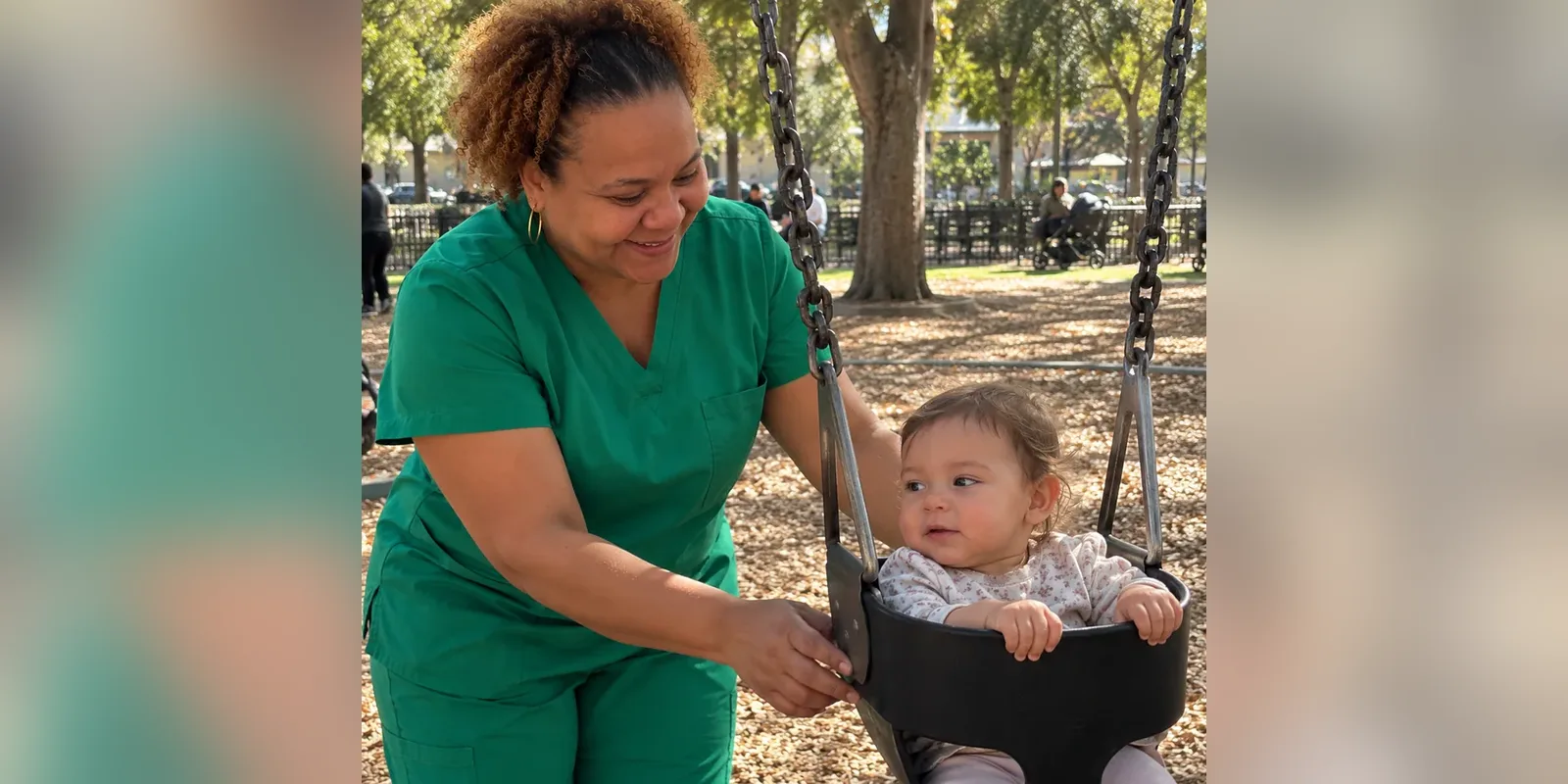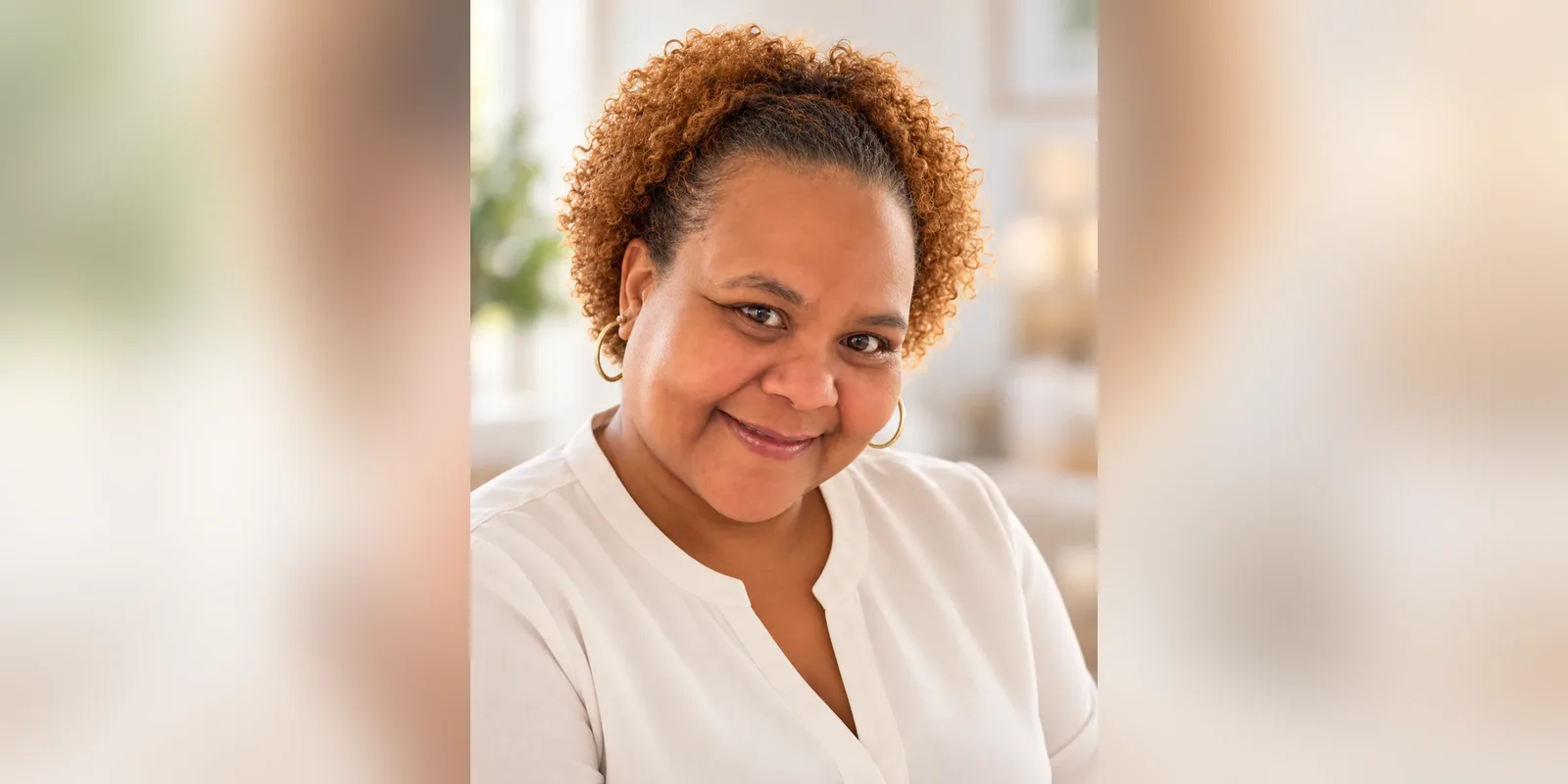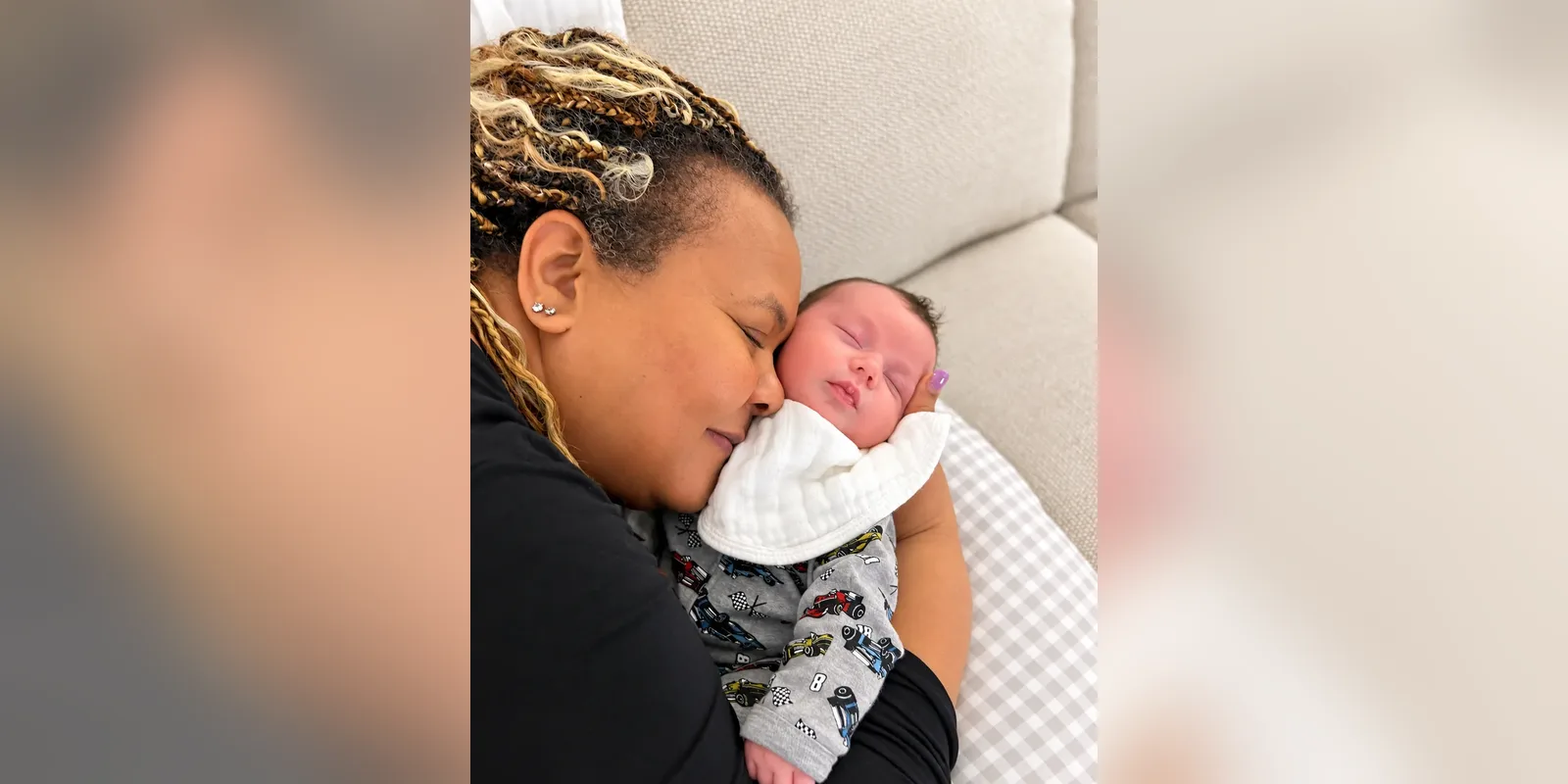
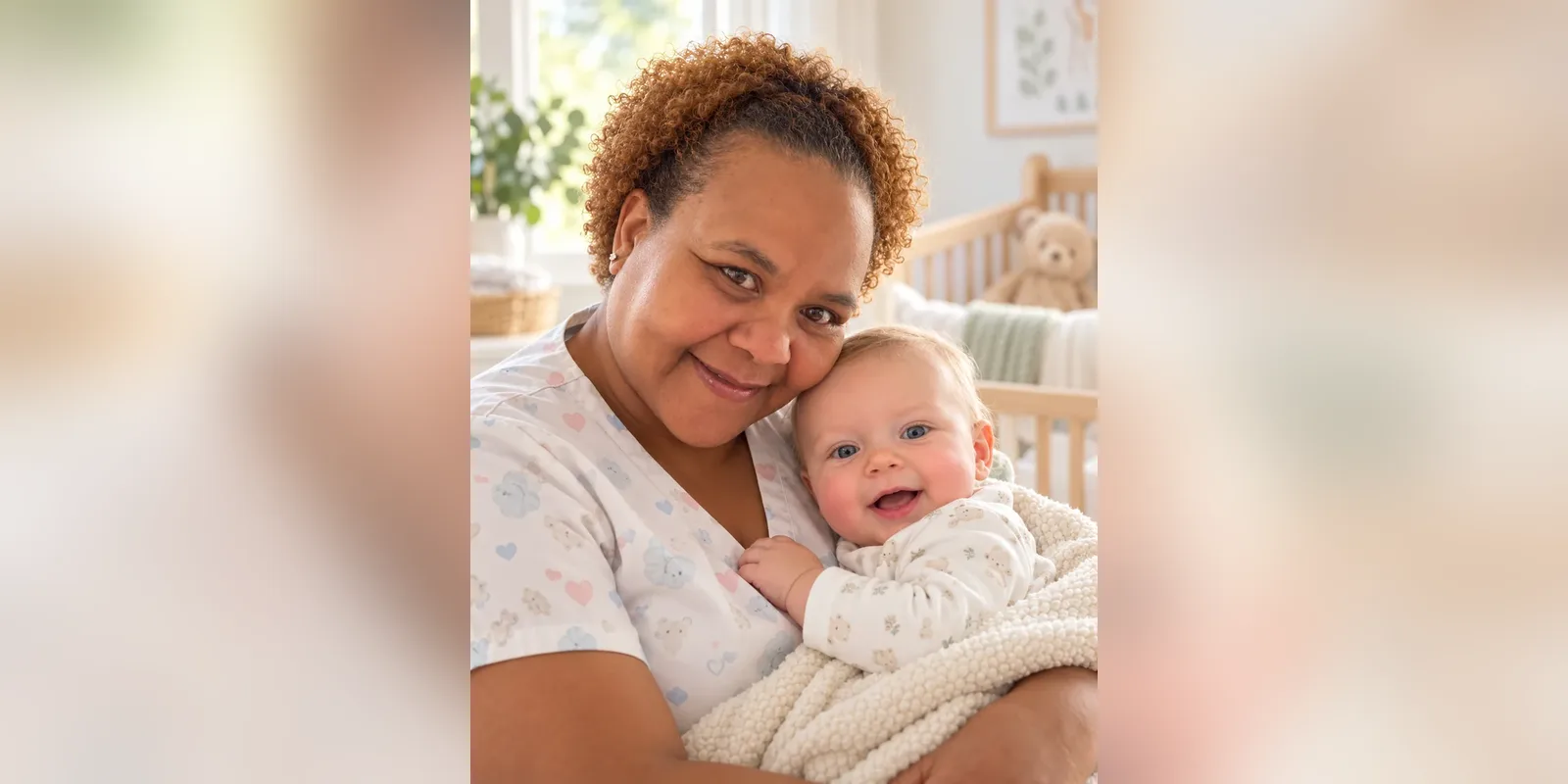
I've been through interviews like this more than thirty times since 2016. Parents sit opposite me via video chat; often they bring notes on their phones and need to decide within half an hour if they feel safe entrusting their newborn care to me at 3 in the morning. Here's the interview guide that I wrote myself.
First, the word itself. The traditional term used in households for this job is "Baby nurse". I work as a professional in newborn care but I do not have an RN license. Most people that you would interview for this position are also not nurses. One of the questions here will help you figure out who each person is.
When to book a baby nurse
Far earlier than you might guess. Experienced folks who rely on referrals tend to book well in advance; for example, Beverly's 2026 NYC guide says that typical booking windows are about 3 to 6 months prior to the due date.
- First trimester: ask friends and family who they used. Write down names.
- Second trimester: this is when most of my families reach out. Do the calls, check references, confirm dates.
- Third trimester: if you have not booked yet, start now. Send your caregiver updates as the due date gets closer.
For twins, book early. The most common complication of a multiples pregnancy is preterm birth, according to March of Dimes. Once we have confirmation from families, I ask them to keep me informed throughout their pregnancy. They can tell me about any questions or changes that happen. I really enjoy hearing from and talking with my families too.
Where to find one
Referrals. Each family that has worked with me got my contact information through someone they trust like friends, coworkers, grandparents or in-laws. A referral lets you see how people behave in a real home; that is something you can't really learn from just a resume.
Agencies. Agencies screen candidates and send you profiles, which saves time. They also charge fees, and some ask for non-refundable deposits. My post on baby nurse cost in NYC lists the fees published by NYC agencies.
Your own circle. Ask friends, neighbors and other parents who they used. Every family I have worked with came to me through a referral from another family.
25 interview questions to ask a baby nurse
You do not need to ask all of them. Pick the ones that matter to your family.
Experience
- How long have you done newborn care, and how many families have you worked with?
- Do you work live-in, nights only, or both?
- Have you cared for twins? (I have.)
- Have you worked with first-time parents, and with families who already have older children?
- Can you give me references from families you worked with in the last two years? Can I call them?
Training and health
- Are you a licensed nurse (RN or LPN), or a newborn care professional? Ask this directly. In New York, only licensed nurses may use the title "nurse" as a professional title.
- Are you trained in infant CPR, and when did you last renew it?
- Are your vaccinations current? Ask about flu, COVID-19 and tetanus (Tdap). The AAP advises that people around a newborn be up to date on their shots.
- What training have you had, and who issued it?
Sleep and feeding
- How do you put a newborn down to sleep? You want to hear "on the back, in a bare crib or bassinet," which is the AAP's safe sleep guidance.
- How do you support a mother who is breastfeeding? Do you bring the baby to her at night?
- How do you handle bottles, formula and pumped milk?
- How do you clean and sterilize bottles and pump parts?
- Do you follow a sleep schedule, or do you follow the baby?
- What do you do when the baby will not settle?
Day to day
- What does a typical 24 hours look like with you? (Here is my answer.)
- Do you do the baby's laundry? What about housework?
- How do breaks work? When do you sleep?
- What do you need from us: a bed, a room, meals?
- How will you teach us to care for the baby before you leave?
Family fit
- Have you worked with observant Jewish families, and do you understand Shabbos and kosher kitchen rules?
- Have you cared for a baby after a bris? What does that aftercare look like?
- How do you handle it when the parents and grandparents want different things?
- When would you tell us to call the pediatrician?
- What happens if the baby comes early, or late?
Red flags
- Calling herself an RN or "certified" without being able to show you the license or certificate.
- No references, or references she will not let you call.
- The AAP's guidance is very clear that babies should not be put to sleep on their stomachs, sides or using loose things like pillows, bumpers or blankets.
- Promising to "sleep train" a newborn in the first weeks.
- Giving medical advice, or suggesting medicines, instead of telling you to call your pediatrician.
- Pressure to pay a large non-refundable deposit right away.
- On the video call, she does all the talking and asks nothing about your family.
What goes in the agreement
I'll be frank: I don't use contracts and I don't ask for any deposits. We agree on your dates and confirm via text message and my word holds me to that. Many agencies and care providers do use formal contracts and it's always good to have clarity on these points before the baby arrives:
- Dates and due-date flexibility. What happens if the baby arrives two weeks early or a week late.
- Hours and days off. For live-in care, my schedule for breaks works out like this: I have six hours free every day and I'm very flexible with when those hours fall.
- Sleeping space. A bed of her own, ideally a room near the nursery.
- Meals. Whether she brings her own food or eats with the family, and kosher rules if you keep them.
- Duties. The baby's feeds, diapers, baths, bottles, pump parts and laundry. Say up front that housework is or is not included.
- Cancellation. What happens if plans change. With me there is no deposit to lose.
- Rate and payment. The day rate, any twins or holiday rate, and how often you pay.
Preparing your home for a live-in baby nurse
A few things make the first night smoother for everyone.
- A bed and a quiet place to rest during the daily break.
- The nursery set up with a bare crib or bassinet, a changing station and a place to sit for night feeds.
- A bottle station near the kitchen sink: bottles, a brush, soap and a drying rack. The CDC's guide to cleaning infant feeding items is what I follow.
- Diapers and wipes stocked in two places if your home has two floors.
- Your pediatrician's number on the fridge.
My full list of what to have ready is in newborn must-haves from a baby nurse.
FAQ
When should I book a baby nurse?
In the second trimester for most families, and earlier for twins. Experienced caregivers who work by referral often book 3 to 6 months ahead.
What should I ask a baby nurse in an interview?
Ask about her experience, references, infant CPR training, vaccinations, how she puts a baby down to sleep, how she supports feeding, and what her day looks like. The 25 questions above cover all of it.
Do I need a contract with a baby nurse?
A lot of families use contracts, especially through agencies. I don't use contracts or deposits but you should definitely have clear agreements about dates, hours, breaks, responsibilities, sleeping quarters and payment before the baby comes.
Is it better to hire through an agency or directly?
An agency cuts down your search time and charges for its services. Alternatively, hiring someone through a personal referral means there's no agency charge but you handle checking references yourself.
How do I know if a baby nurse is a real nurse?
Ask whether she holds an RN or LPN license, and look it up. Most baby nurses, including me, are newborn care professionals without a nursing license. My post on baby nurse vs night nurse explains the titles.
Interview me
If you are expecting and would like to see me respond to your questions, please send me a text or give me a call at (646) 966-3168. We can arrange a video conference call and I'll introduce you to some families that I've previously worked with. You can read about this process on my homepage at how it works.